
A first dental visit focused on getting acquainted
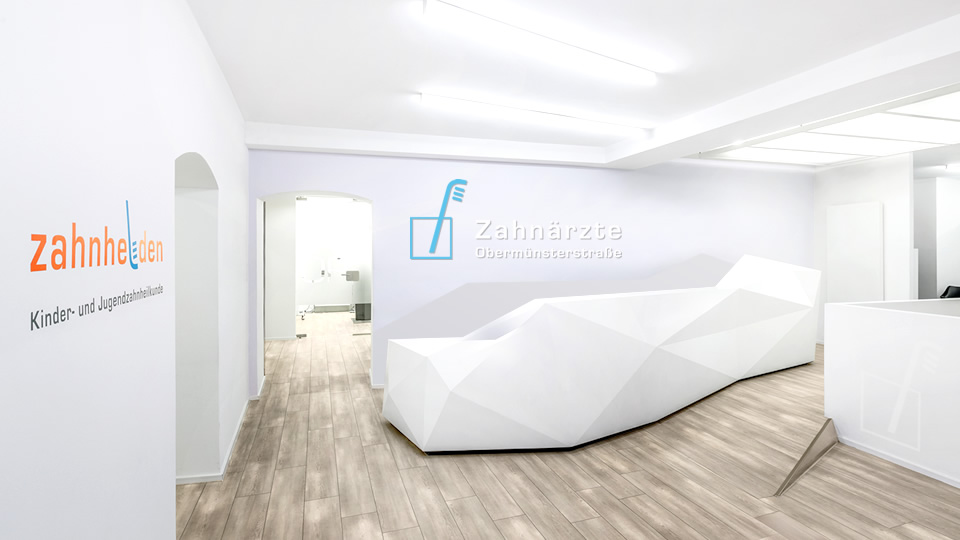
Your child's first dental appointment does not need to wait until something hurts. Arrange an early visit when the first baby teeth appear, and by the first birthday at the latest. It is an opportunity to discuss development, daily care and questions that are difficult to answer at home. Visiting before an urgent problem arises also gives your child a chance to encounter an unfamiliar environment. What can be achieved at that appointment will depend on their age, needs and response.At Zahnärzte Obermünsterstraße in Regensburg, care for young patients forms part of children's dentistry. Families can also find information about preparation and the children's department through Zahnhelden. An approach suited to the child can support trust, although no one can guarantee immediate cooperation or a future without dental anxiety. Recognising uncertainty and explaining the next step clearly helps everyone work towards a manageable visit.
Prepare with simple, reassuring information
Keep your explanation brief and positive: the dentist will look at how the teeth are doing. Detailed stories about difficult treatments you have experienced are unlikely to help. Avoid promising that nothing could ever feel uncomfortable. A familiar comfort item may accompany your child. When booking, mention previous difficult experiences, additional support needs or sensitivity to particular sounds and touch. This gives the practice useful information before your family arrives.Bring useful details and your questions
Have details of medical conditions, allergies, medicines and previous dental injuries available. Write down questions about toothpaste, food and drinks or dummy use so you can cover them during the conversation. If your child has symptoms, explain when they started and whether eating or sleeping has become difficult. This helps the practice assess urgency. For a routine introductory appointment, allow some breathing space in the day's schedule where possible, rather than rushing between commitments.Let the examination reflect your child's needs
The examination depends on age and the reason for attending. It focuses on teeth, gums and the developing mouth. The clinician should explain any recommended next steps. Additional investigations such as X-rays are considered for a clinical reason rather than being automatic at every first visit. Ask for clarification if a proposal is unclear. If your child is uneasy, discuss how explanations, breaks or a further appointment might make the process more manageable.Afterwards, you should understand which findings are reassuring, what needs monitoring and whether treatment is needed. Advice about ongoing prevention should relate to your child's situation. Ask for a demonstration of cleaning and an explanation of how much adult help is still required. Agree on an appropriate review interval and whom to contact if a problem develops before then. The practice's toothbrushing education offers another opportunity to practise home care in a playful setting.